
IPTV & law · Support
Best VPN for IPTV? What really matters (2026)
A VPN is often associated with IPTV. But what does it really do, and what should you look for when choosing one? Here you learn the real criteria for a good VPN – and the honest classification of what a VPN can and cannot do. This guide is general information and not legal advice.
⏱ 4 min read

Key takeaways
- A VPN protects your privacy but does not make unlawful use legal.
- Key criteria: no-logs, speed, server choice, encryption.
- Free VPNs are often slow or fund themselves through data.
- A VPN is a privacy tool, not a substitute for a legal source.
First the honest classification: a VPN raises your privacy but is not a free pass – the legal situation depends on the source of the content (see the cluster <a href="https://iptvkaufen-24.de/en/iptv-vpn-security/">use IPTV safely</a>). But anyone wanting to use a VPN should know what matters.
What does a VPN do for IPTV?
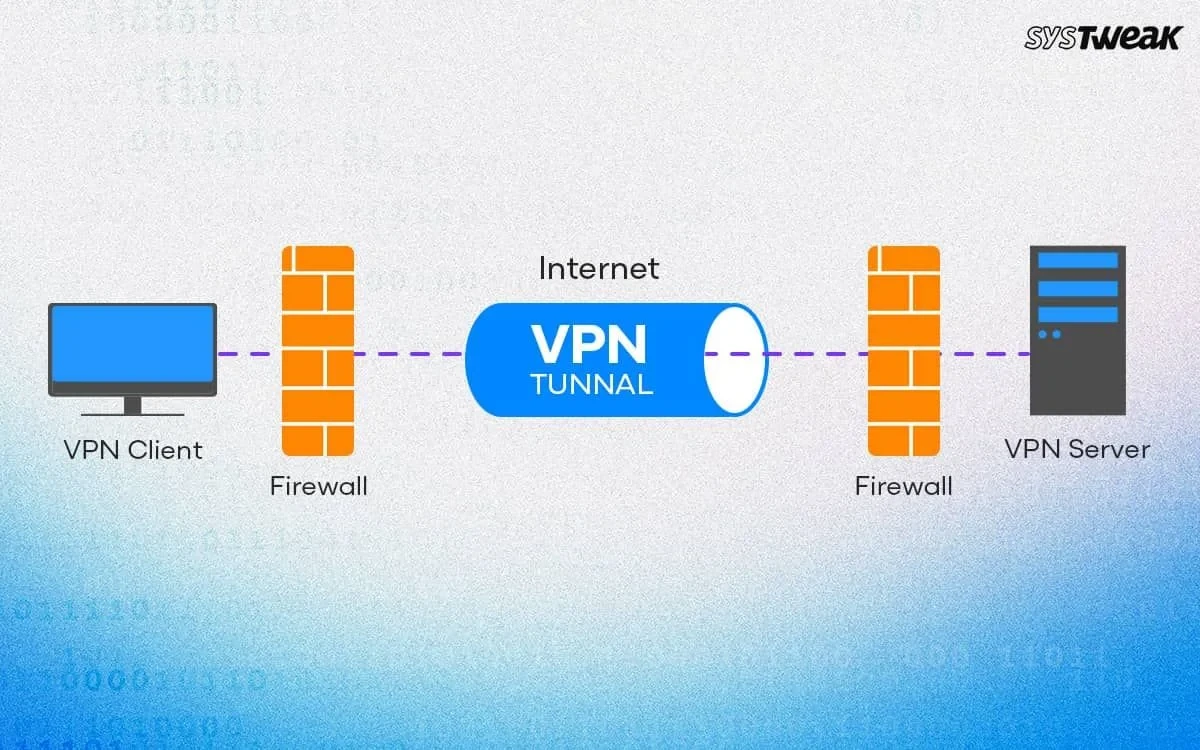
A VPN encrypts your connection and hides your IP address from third parties. That improves your general online privacy, especially on public Wi-Fi. What a VPN does not do: turn an unlawful source into a legal one. This distinction is crucial and is often misrepresented.
What to look for? The real criteria
- No-logs policy: the provider keeps no connection logs
- Speed: important for buffer-free streaming
- Server choice: enough locations for stable connections
- Encryption & security: a current standard
- Transparency: a clear legal notice and traceable privacy policy
Are free VPNs worth it?
Free VPNs sound tempting but often have a catch: limited speed, few servers or funding through your data. For occasional privacy they can suffice; anyone valuing speed and trust is usually better served by a transparent, paid service – similar to choosing a reputable IPTV provider.
| Criterion | What to look for |
|---|---|
| No-logs | No storage of connection data |
| Speed | High enough for smooth streaming |
| Servers | Sufficient choice & locations |
| Transparency | Legal notice & clear privacy policy |
Putting a VPN in context
A good VPN is a useful privacy tool – no more and no less. The most important basis remains choosing a legal, licensed source. How to set up your device afterwards is in the step-by-step guide.
Do I need a VPN for IPTV at all?
One of the most common questions is: do I even need a VPN for IPTV, and is it worth it? The honest answer: a VPN is not a must. It is a privacy tool that hides your IP address and encrypts your connection – nothing more. Anyone using only licensed sources does not need a VPN for legal reasons.
When a VPN makes sense – and when not
- Useful: on public Wi-Fi and for more general privacy
- Not decisive: for legality – that depends solely on the source
- Not a free pass: a VPN does not make unlawful use legal
Important to know: a VPN protects your privacy but changes nothing about the legal assessment of the content. The basics are in the cluster use IPTV safely and the guide Is IPTV legal?.
Which VPN, which country – and what if it fails?
If you decide on a VPN, the next question is which provider and which country. More important than the specific country is the quality of the service – speed, a no-logs policy and stable servers matter more than a particular location.
Server & location
For smooth streaming, choose a server near you; that keeps latency low. A far-away server can reduce speed and increase buffering.
IPTV does not work with a VPN – what to do?
If problems occur, one of these usually helps:
- Switch the VPN server (closer, less busy)
- Change the protocol (e.g. WireGuard for more speed)
- Check whether the service blocks VPN connections
- Update the app and device
If none of this helps, the cause is rarely the VPN itself but the connection or the source. How to recognise a trustworthy provider is in the guide best IPTV provider.
Conclusion
The best VPN for IPTV is one with a real no-logs policy, good speed and a transparent provider. A VPN raises your privacy but does not replace a legal source and does not make unlawful use legal. The most important decision remains choosing a reputable, licensed offer. Not legal advice.
Disclaimer: this guide is general information and does not constitute legal advice. For your specific situation, please consult a lawyer or a consumer advice centre.
Sources & further reading
FAQ