
IPTV & law · Support
Avoid IPTV scams & fake shops (2026)
Sadly there is also fraud around IPTV: fake shops take your money and deliver nothing, or misuse your data. Here is how to spot IPTV scams in time, protect your payment, and find a reputable provider instead.
⏱ 4 min read
Key takeaways
- Fake shops take your money and deliver nothing – beware prepayment to unknowns.
- Warning signs: no legal notice, anonymous-only payment, pressure and time limits.
- Pay through traceable, secure methods where possible.
- A free trial before buying markedly lowers the risk.
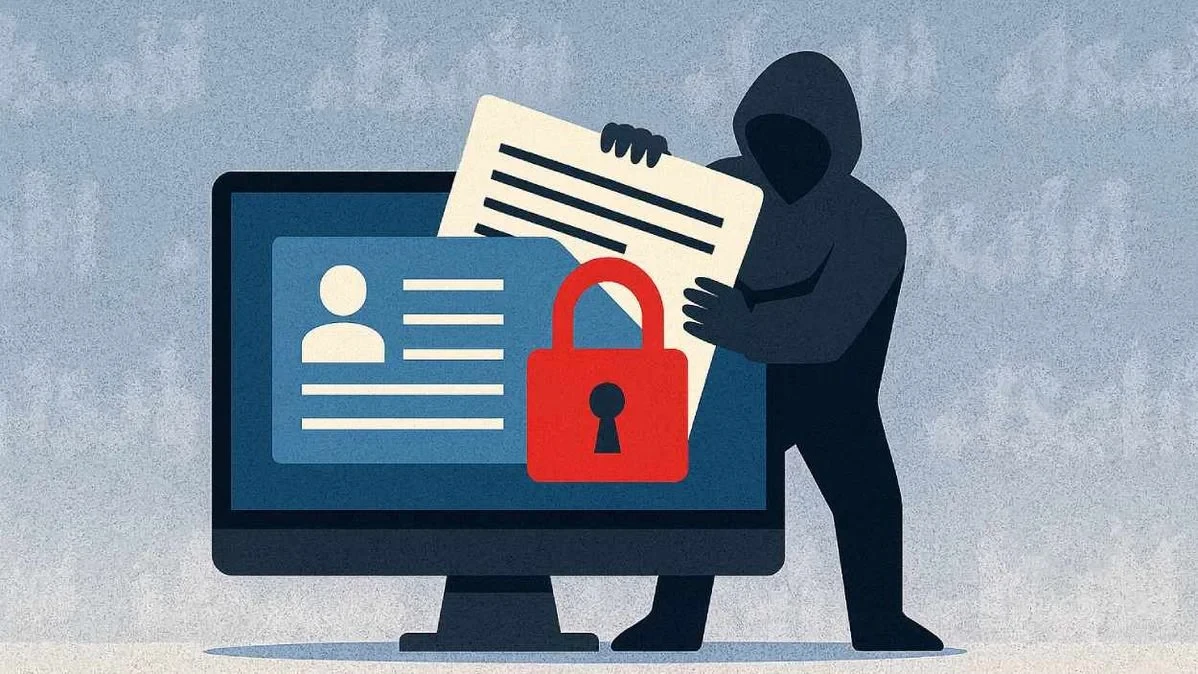
Fraud works through trust and pressure. With IPTV, fake shops aim for quick prepayment, often with unrealistic offers. Knowing the tricks protects you – and your money.
How does IPTV fraud work?
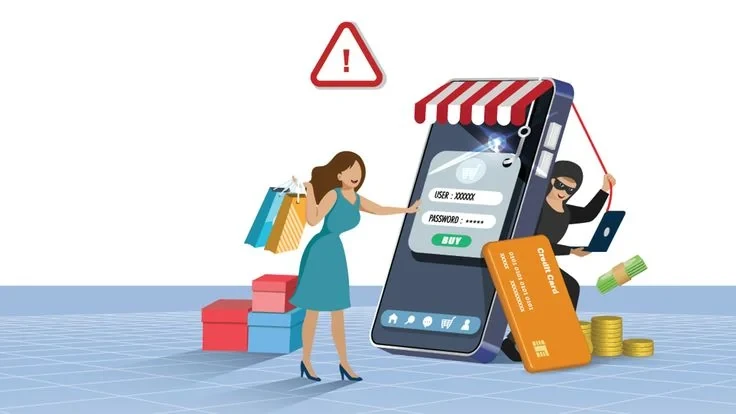
Typical tricks are fake shops that deliver nothing after payment, "lifetime" offers that vanish after a short time, and data misuse via dubious sign-up forms. Often time pressure and unrealistic discounts are used so you do not think too long.
Warning signs of a rip-off
- No legal notice, no reachable address, no real support
- Anonymous or unusual payment methods only
- Excessive pressure ("today only", "last spots")
- Unrealistic "lifetime for a one-off X" promises
- No terms, no right of withdrawal, no privacy policy
These patterns overlap with the signs in spot illegal IPTV – reputable providers do the opposite.
How to protect yourself & your money
Before buying, check the legal notice and contact, read the terms and use traceable payment methods where possible. Share only the necessary data and be sceptical of pure prepayment to unknown providers. To pay safely, mind the same points described in use IPTV safely.
| Trait | Reputable | Fake shop |
|---|---|---|
| Legal notice & contact | Present | Missing |
| Payment | Traceable | Anonymous/prepay only |
| Trial before buying | Possible | No, pay immediately |
| Promises | Realistic | "Lifetime" lures |
Better to buy reputable from the start
The easiest protection against fraud is choosing a transparent provider with a legal notice, clear terms, real support and a free trial. That way you check the offer before any money changes hands. An honest overview is in the guide best IPTV provider.
Already paid? How to react the right way
If something is wrong after a payment, act calmly – and the first step is always the same: contact the provider's support directly. A reputable provider resolves issues quickly and without fuss.
How to proceed
- Contact the provider directly: explain your issue to customer service – it is the fastest route to a solution
- Secure evidence: keep the order confirmation, chat history and screenshots
- Give support time: allow a reasonable window to respond
- Change passwords: if you disclosed any sensitive data
Are you an IPTVKaufen24 customer? Simply reach our support directly – we solve any problem around your order, payment or access personally and fast. Only if it is a genuine, unreachable fake shop should you turn to a consumer advice centre.
Common scam tactics in detail
Knowing the most common tactics helps you spot a scam faster. These patterns appear again and again around dubious IPTV offers.
- "Lifetime" plans: a one-off payment for "life" – the service usually vanishes after weeks
- Fake reviews: invented Trustpilot or forum praise, often in poor language
- Phishing emails: a supposed "renewal" with a link to a fake payment page
- Artificial pressure: "today only", "last spots", countdown timers
What all these tactics share: they aim for a quick, ill-considered payment. A reputable provider does not need this – it offers a non-binding trial, a legal notice and traceable payment methods. How to recognise one is in the guide spot a reputable IPTV provider.
Conclusion
IPTV fraud thrives on pressure and unrealistic promises. Mind the legal notice, secure payment and a right of withdrawal, and avoid pure prepayment to unknown shops. Safest is a transparent provider with a free trial – so you lose no money to fake shops.
Disclaimer: this guide is general information and does not constitute legal advice. For your specific situation, please consult a lawyer or a consumer advice centre.
Sources & further reading
FAQ